
In the ever-evolving landscape of Indian agriculture, crop grouping stands as a transformative solution poised to streamline the regulation of pesticide residues, enhance food safety, and bolster international trade. Yet, despite its clear benefits, the implementation of crop grouping in India has faced delays, leaving the country at a crossroads.
As the world’s largest producer of spices and a major player in global agriculture, India has much to gain from adopting this efficient system. Crop grouping simplifies the complex process of setting Maximum Residue Limits (MRLs) by categorising crops with similar characteristics, making it easier to manage pesticide regulations and protect public health. But the hesitation to fully embrace this method has created a bottleneck, hindering progress and leaving India’s agricultural sector vulnerable to inconsistencies and missed opportunities.
This blog explores why breaking the wait is crucial for India’s agricultural future. We delve into the myriad benefits of crop grouping, from ensuring safer food to boosting market access for Indian farmers. We’ll also discuss actionable strategies to fast-track its implementation, paving the way for a more robust and harmonised regulatory framework. It’s time for India to move from deliberation to action, ensuring a safer, more competitive agricultural landscape for all. Let’s break the wait and fast-track crop grouping now!
Understanding Crop Grouping: A Primer on the Concept, Importance, and Benefits
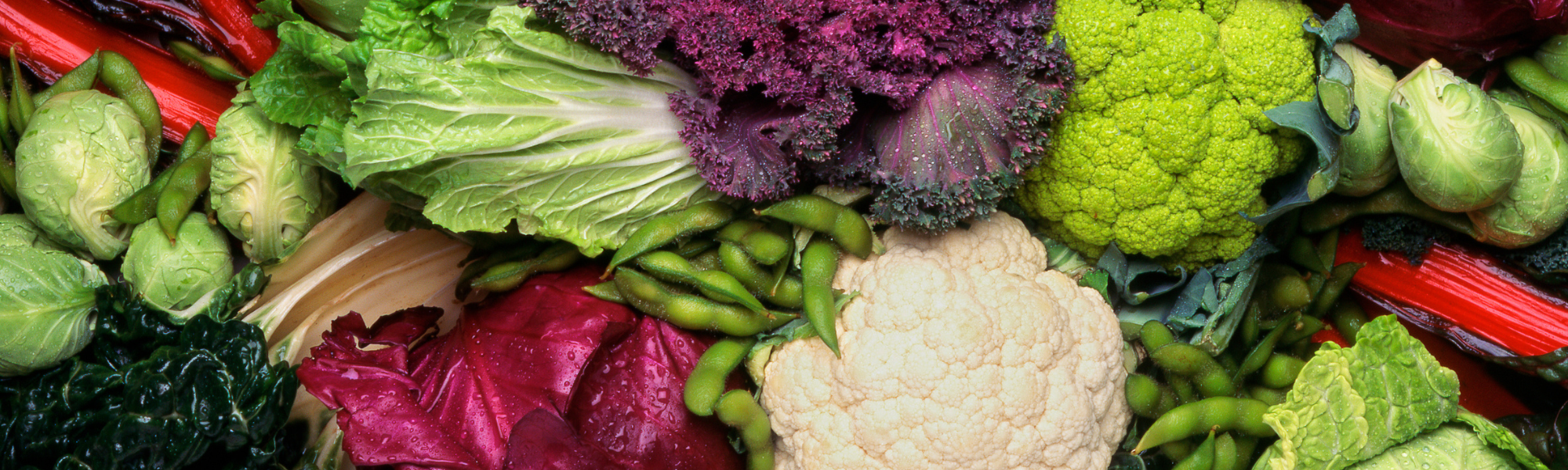
Crop grouping is a regulatory approach that categorizes crops based on their similarities in botanical characteristics, growth habits, and pesticide residue behaviors. This method simplifies the process of setting MRLs by selecting representative crops within each group. These representative crops, chosen for their similar residue behaviour and economic importance, undergo residue testing to determine safe pesticide levels. The data collected from these crops are then extrapolated to set MRLs for all crops within the subgroup, ensuring consistent regulation across a wide range of crops.
Traditionally, MRLs have been established individually for each crop, requiring extensive data collection and analysis. This approach can be particularly burdensome for countries like India, where an estimated 594 different crops are grown. These crops include major staples such as rice, wheat, and maize, as well as a diverse array of fruits, vegetables, spices, and minor crops. However, there is a notable disparity in the availability of label claims for pesticide use across these crops, with only about 200 crops having established label claims. This leaves many minor crops without adequate regulatory guidance, often relying on off-label pesticide use, leading to inconsistent residue levels and potential health risks.
Crop grouping addresses these challenges by providing a more efficient and harmonised approach to pesticide regulation. The process is grounded in scientific research, emphasising efficiency and safety. By using representative crops, crop grouping minimizes the need for extensive testing across all individual crops, saving time and resources. It also aligns national regulations with international standards, such as those set by Codex Alimentarius, facilitating global trade and ensuring consumer safety. Key principles of crop grouping include scientific accuracy, regulatory efficiency, and the protection of public health by maintaining pesticide residues within safe limits.
Additionally, crop grouping supports farmers by simplifying compliance requirements. With clear MRLs applicable to their crops, farmers can make informed decisions about pesticide use, reducing the risk of non-compliance and potential trade rejections. This system also encourages the adoption of good agricultural practices (GAPs), promoting sustainable farming methods that benefit the environment and society. By establishing consistent MRLs and harmonising regulations, crop grouping ensures food safety, enhances market access, and strengthens India’s position in the global agricultural market.

India’s Initiatives in Crop Grouping
India has made significant strides toward implementing crop grouping, demonstrating a commitment to enhancing food safety and regulatory efficiency. The journey began in March 2013, when the Department of Agriculture, Cooperation & Farmers Welfare formed a sub-committee under Dr. T.P. Rajendran, former ADG (Plant Protection), to study crop grouping principles based on Codex Committee guidelines. This initiative marked the country’s first formal exploration into adopting crop grouping as a regulatory approach.
Over the years, various committees and expert groups have been formed to refine the crop grouping framework. A pivotal moment occurred during the 360th Registration Committee (RC) meeting in December 2015, where the committee approved the extrapolation of MRLs within crop groups, provided similar GAPs were applied. This decision laid the foundation for creating a more efficient regulatory system. The RC in its 369th meeting held on 4 October 2016 constituted another sub-committee under the Chairmanship of Dr. P.K. Chakrabarty, Former ADG (PP), ICAR & Member RC to recommend the procedure to implement crop grouping principles while protecting the environment and human beings within the ambit of the Insecticides Act. Efforts continued with a workshop held in October 2017, which brought together stakeholders from ICAR, CropLife India, FSSAI, CIB&RC, and international experts. The workshop’s recommendations focused on establishing guidelines, expanding label claims, and identifying minor crops within the country.
In the 407th RC meeting in August 2019, chaired by Dr. S.K. Malhotra, the committee acknowledged the sub-committee’s efforts and approved the implementation of crop grouping principles for label expansion. However, despite this progress, concerns have been raised over the prolonged timeline and the recurring need for further refinement. The recent decision in the 450th RC meeting in August 2023 to form a new sub-committee under the ADG (PP&B), ICAR, New Delhi, to re-examine the crop grouping principles specifically for label expansion, highlights the ongoing deliberations and the lack of a final, comprehensive decision.
This delay, spanning nearly a decade, raises concerns about the pace of regulatory reform in India’s agricultural sector. The extended process reflects the complexities involved in harmonising pesticide regulations across a diverse agricultural landscape and the need for careful consideration to make sure scientific and practical feasibility. But the protracted timeline also underscores the urgency for decisive action. The continued postponement risks missing the large benefits of crop grouping, like improved food safety, streamlined regulations, and enhanced international trade opportunities. There is a pressing need for India to expedite the finalization and implementation of crop grouping to leverage these advantages fully and to give clear guidance to stakeholders across the agricultural sector.

Proposed Crop Groups and Representative Crops in India
To implement crop grouping effectively, a comprehensive classification of crops based on shared characteristics is essential. The following table outlines the proposed crop groups, subgroups, and their representative crops as detailed in the Indian report. This categorisation is crucial for establishing MRLs and ensuring uniform regulation across similar crops.
| Group No. | Subgroup | Representative Crops |
|---|---|---|
| Group 01 | FRUITS | |
| 001 | Citrus Fruits | Lemon, Orange, Pummelo |
| 002 | Pome Fruits | Apple or Pear |
| 003 | Stone Fruits | Cherry, Plum, Peach |
| 004 | Berries & other small fruits | Raspberry, Gooseberry, Grapes, Strawberry |
| 005 | Assorted tropical & subtropical fruits – edible peel | Olives, Guava, Date |
| 006 | Assorted tropical & subtropical fruits – inedible peel | Litchi, Mango, Pineapple, Kiwifruit, Coconut |
| 02 | VEGETABLES | |
| 009 | Bulb Vegetables | Onion, Garlic |
| 010 | Brassica Vegetables | Cauliflower, Cabbage |
| 011 | Fruiting Vegetables, Cucurbits | Cucumber, Bitter gourd, Melon |
| 012 | Fruiting Vegetables, other than Cucurbits | Tomato, Okra, Eggplant |
| 013 | Leafy Vegetables | Spinach, Lettuce |
| 014 | Legume vegetables | French Bean, Pigeon pea, Cowpea |
| 015 | Pulses | Common beans, Soybean, Chickpea |
| 016 | Root & tuber vegetables | Carrot, Radish, Potato |
| 017 | Stalk & stem vegetables | Flowering stalk of garlic or celery, Asparagus |
| 018 | Edible fungi | Button mushroom |
| 03 | GRASSES | |
| 020 | Wheat and similar grains | Wheat, Barley, Rice, Maize |
| 021 | Grasses for sugar or syrup | Sugarcane |
| 04 | NUTS & SEEDS | |
| 022 | Tree Nuts | Almond or walnut, Cashewnut |
| 023 | Oilseed & oil fruits | Rapeseed or mustard, Sunflower seeds, Cotton seeds, Peanut, Olives |
| 024 | Seeds for beverages and sweets | Coffee |
| 025 | Tree saps | Any commodity in the subgroup |
| 05 | HERBS & SPICES | |
| 027 | Herbs | Coriander or mint leaves |
| 028 | Spices | Cumin, Cardamom, Turmeric, Black Pepper etc. |
| 06 | OTHERS | |
| 029 | Tea | Tea |
By categorising crops in this manner, the regulatory framework can streamline the process of pesticide residue testing and MRL establishment. The selection of representative crops is based on their prevalence, economic importance, and similarities in pesticide residue behaviour, ensuring that the established MRLs are both protective of public health and conducive to efficient regulation. This organised approach facilitates the uniform application of regulations, enhances food safety, and supports India’s agricultural trade objectives.
Learning from Global Examples
As India considers implementing crop grouping, valuable lessons can be learned from other countries and international bodies like Codex Alimentarius. These examples offer insights into efficient regulatory frameworks, enforcement strategies, and the use of dietary data, which can guide India’s approach and expedite its implementation process.
Codex Alimentarius: Setting international standards
Codex Alimentarius provides a global reference for harmonising pesticide regulations. It develops comprehensive crop grouping guidelines based on international dietary data and consumption patterns, facilitating global trade by ensuring consistent MRLs across member countries. While Codex’s recommendations are not legally binding, they serve as advisory guidelines that countries can adopt or adapt.
United States: Integrated approach and stakeholder involvement
The United States employs an integrated approach, involving scientific data and active stakeholder engagement. The EPA and USDA set legally binding MRLs based on national dietary data, ensuring regulations reflect local consumption patterns. This approach is bolstered by strict adherence to national GAPs and a robust regulatory framework that enforces compliance.
European Union: Harmonisation and consistency
The EU’s crop grouping system, managed by EFSA, emphasises harmonisation across member states, ensuring uniform MRLs and high safety standards. The legally binding regulations are based on comprehensive dietary data, aligning with international standards to facilitate trade and protect public health.
Australia and New Zealand: Streamlined regulations and data sharing
Australia and New Zealand, through FSANZ, streamline pesticide regulations by emphasizing data sharing and aligning with Codex standards. Their approach, while not legally binding, influences national policies and uses local dietary data to tailor MRLs, ensuring relevant and effective food safety measures.
Japan: Rigorous Scientific Standards and Public Transparency
Japan’s crop grouping implementation, led by MHLW, is marked by rigorous scientific standards and public transparency. Using extensive data collection and national dietary data, Japan sets legally binding MRLs, enforced through strict national GAPs. Regular publication of testing results builds public confidence in food safety.
Key takeaways for India
- Adopt Codex standards: Aligning with Codex standards can facilitate international trade and ensure MRLs meet global safety norms.
- Use national dietary data: Tailoring MRLs based on local consumption patterns will ensure relevance and protect public health.
- Legal binding and enforcement: Establishing legally binding MRLs will strengthen compliance and enforcement.
- National GAPs and policies: Implementing national GAPs will help minimise pesticide residues and promote sustainable practices.
- Stakeholder engagement: Involving stakeholders in the regulatory process can ensure practical and effective regulations.
- Public transparency: Regularly publishing information on residue testing can build public confidence in the regulatory system.
By adopting these best practices, India can develop a robust crop grouping system that enhances food safety, streamlines regulations, and supports agricultural growth. The insights from global examples can help India overcome challenges and successfully implement crop grouping.
Strategic Steps to Accelerate Crop Grouping Adoption in India
To fully realise the benefits of crop grouping, India must adopt a strategic approach.
- Strengthen data collection and research: Prioritise collecting comprehensive residue data for diverse crops, including minor ones, by collaborating with research institutions and using advanced technologies.
- Adopt Codex standards and national dietary data: Align MRLs with Codex standards for global trade facilitation and tailor them to local dietary patterns to ensure relevance and public health protection.
- Establish legal binding and enforcement: Implement legally binding MRLs and create robust enforcement mechanisms to ensure compliance across all stakeholders.
- Implement national GAPs and policies: Develop and enforce Good Agricultural Practices (GAPs) specific to India’s conditions, promoting sustainable farming and safe pesticide use.
- Engage stakeholders: Involve farmers, industry representatives, and scientists in the regulatory process to ensure practical and effective regulations.
- Maintain public transparency: Regularly publish information on residue testing and regulatory decisions to build public trust and transparency.
- Foster international collaboration: Collaborate internationally and harmonize with global standards to enhance trade and leverage advanced scientific methodologies.
- Monitor and review implementation: Continuously evaluate and update MRLs based on new data and agricultural developments, ensuring the system remains effective and current.

Conclusion: A Call to Action for Fast-Tracking Crop Grouping in India
Fast-tracking the implementation of crop grouping has the potential to significantly transform India’s agricultural sector. Ensuring consistent MRLs across similar crops can enhance food safety, protect public health, and build consumer confidence in Indian agricultural products. Aligning India’s MRLs with international standards will facilitate smoother trade relations and expand market access, providing a substantial boost to revenue for farmers and exporters.
Furthermore, crop grouping simplifies regulatory compliance, making it easier for farmers to adopt GAPs and promoting sustainable farming methods. This streamlined regulatory framework not only supports innovation in crop protection, leading to the development of safer and more effective pesticides, but also improves overall regulatory efficiency. By reducing the need for individual assessments, crop grouping accelerates decision-making processes and reduces bureaucratic delays.
Additionally, adopting crop grouping will strengthen India’s agricultural identity and brand, positioning the country as a reliable supplier of high-quality, safe agricultural products. This enhanced reputation will attract international partnerships and investments, further bolstering the sector’s growth and development.
The time to act is now, as the benefits of crop grouping are too significant to delay. By embracing this transformative approach, India can ensure a safer, more competitive agricultural landscape, benefiting all stakeholders involved. Let’s break the wait and fast-track crop grouping in India!
Additional Reading
- Codex Alimentarius 2024. Commodity Categories. Food and Agricultural Organization. Accessed on 01 August 2024.
- Department of Agriculture & Cooperation 2015. Report of the Committee on Crop Grouping with Reference to Fixation of Maximum Residue Limits (MRLs) of Pesticides in Agricultural Crop Commodities. Ministry of Agriculture, Govt. of India.
- EPA 2024. Pesticide Tolerance Crop Grouping Revisions. United State’s Environmental Protection Agency, Washington. Accessed on 01 August 2024.
- IR-4 Project 2024. Crop Grouping. U.S. Department of Agriculture. Accessed on 01 August 2024.
 Research Rundown