

Introduction
Welcome to my new blog, where we delve into the vibrant world of spices—a realm where rich flavours meet profound tradition. But behind the alluring aroma of our favourite spices lies a pressing challenge that’s stirring the global community: the extensive use of pesticides. As critical as spices are to our kitchens, their production processes are equally crucial to our ecosystems and health.
Today, the spice industry stands at a crossroads between traditional agricultural practices and a burgeoning need for sustainability. This transition is not just about enhancing the flavor of our meals but about ensuring the health of our planet and its people. Pesticides, once hailed as protectors of crops, are now notorious for their adverse effects—contaminating water sources, degrading soil health, and posing risks to wildlife, farmers, and consumers alike.
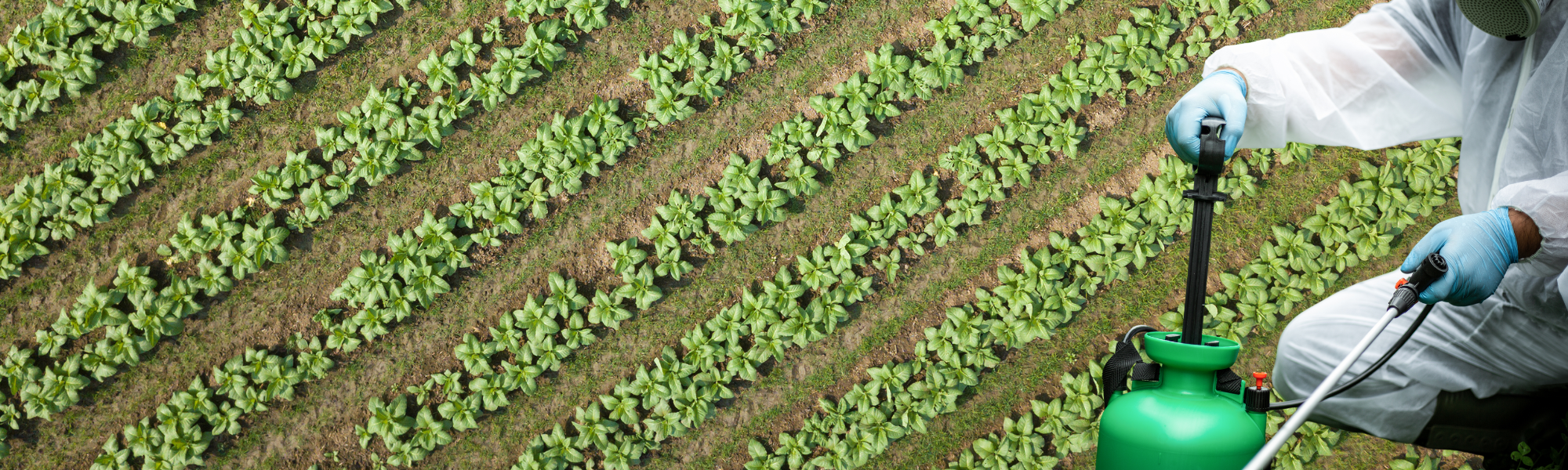
Bitter Harvest: The Pesticide Predicament in Spice Production
The extensive use of pesticides in spice cultivation has created a trifecta of challenges—environmental, health, and economic—that threaten the very essence of sustainable agriculture. Environmentally, the indiscriminate application of these chemicals has led to severe consequences, including soil degradation, water pollution, and loss of biodiversity. Pesticides often drift beyond their target areas, affecting non-target species and disrupting local ecosystems. This ecological imbalance not only diminishes the natural resilience of the environment but also undermines the long-term fertility and productivity of the soil.
From a health perspective, the ramifications of pesticide use in spices extend well beyond the fields. Farm workers exposed to these chemicals suffer from a range of acute to chronic health issues, such as respiratory problems, skin disorders, and even more severe long-term conditions like cancer and neurological diseases. Consumers are not spared either, as pesticide residues often linger on spices that make their way to kitchens around the world, posing additional risks to food safety and public health.

A Dash of Urgency: Why Spices Are Making Headlines
Spices have transcended their culinary role to make headlines due to growing environmental and health concerns linked to pesticide use in their cultivation. These developments have sparked global calls for stricter regulations on pesticide residues and a push towards sustainable spice farming practices. In response, the spice industry is witnessing a shift toward sustainability, driven by consumer demand for eco-friendly products and media coverage that emphasises the importance of organic and sustainably sourced spices. This trend is bolstered by documentaries and reports that showcase successful reductions in pesticide use through innovative farming techniques, influencing consumer choices and regulatory policies.
As the global community becomes more aware of these issues, the spice sector is increasingly committed to adopting practices that ensure the health of both the planet and its people. The move towards sustainable production is now more than a choice—it’s becoming a necessary evolution in the way spices are farmed, processed, and enjoyed worldwide.
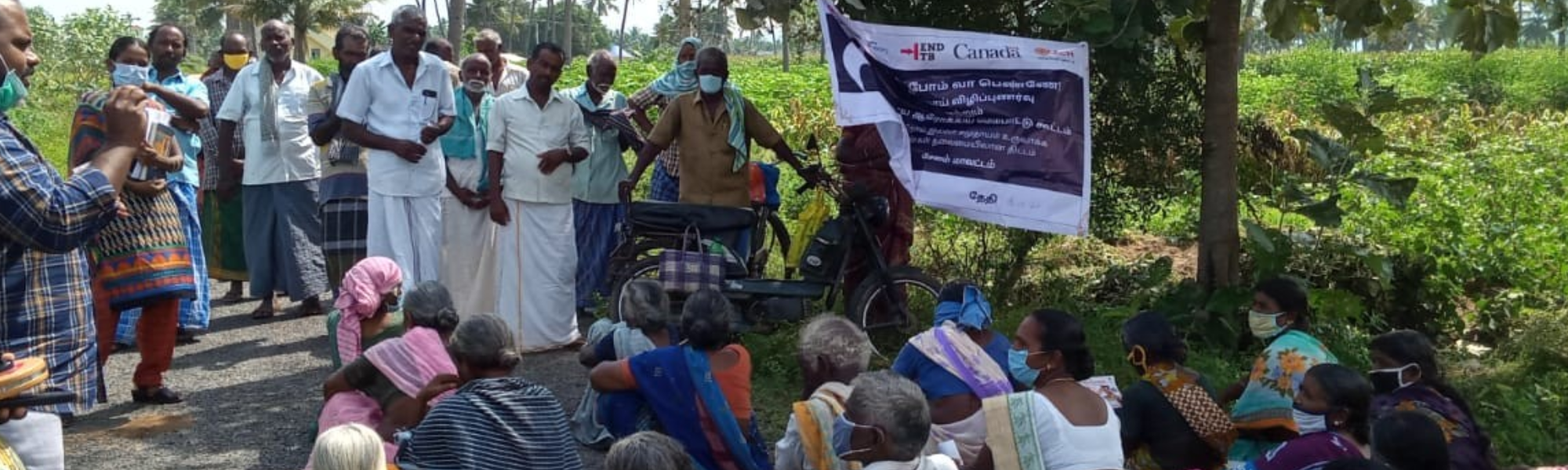
Green Recipes: Cooking Up Sustainable Solutions for Spice Farming
Innovative farming practices such as Integrated Pest Management (IPM), Sustainable Agriculture, Regenerative Agriculture, Non-Pesticide Management (NPM), and eco-stacking are pivotal ingredients for ecological and economic sustainability in spice farming. These methodologies aim to reduce dependency on harmful pesticides and ensure the prosperity and health of both the lands and those who tend them.
- Eco-stacking layers multiple ecological processes to create robust agricultural ecosystems that naturally mitigate pests and diseases.
- Integrated Pest Management (IPM) emphasises understanding pest life cycles and their environmental interactions to manage populations with minimal harm. Benefits include reduced chemical residues and lower environmental pollution.
- Sustainable Agriculture involves practices that meet current food needs without compromising future generations’ ability to do the same, promoting resource efficiency and biodiversity.
- Regenerative Agriculture aims to restore and enhance the agricultural ecosystem, focusing on soil revitalisation and biodiversity, which can improve crop yields and resilience while sequestering carbon.
- Non-Pesticide Management (NPM) eliminates synthetic pesticides altogether, relying on natural methods that enhance soil health and biodiversity.
Together, these “green recipes” offer a sustainable pathway for spice farming, significantly reducing the industry’s reliance on chemical pesticides while promoting environmental stewardship and economic viability. By adopting these practices, spice farmers can not only improve the quality and safety of their products but also ensure a sustainable future for the spice industry worldwide.
Uniting for Flavour: Global Movements and Initiatives in Sustainable Spice Production
The global spice industry is increasingly adopting a collaborative approach to sustainability, driven by a range of international and national initiatives. These initiatives are crucial for fostering industry-wide changes that not only enhance the flavour and quality of spices but also promote environmentally sustainable and socially responsible production practices.
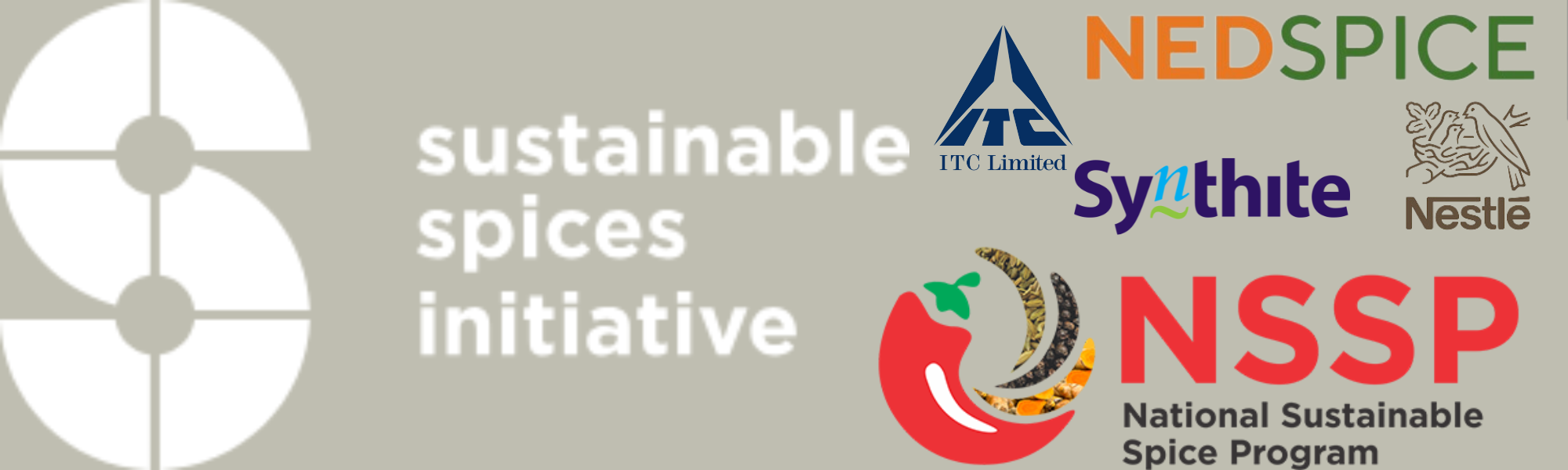
- Sustainable Spice Initiative (SSI): A leading program in sustainable spice production, SSI unites global stakeholders—including producers, exporters, buyers, and NGOs—to aim for a fully sustainable industry by 2025. The initiative focuses on improving traceability, ensuring fair labor practices, and reducing environmental impacts. For example, companies like McCormick have committed to sourcing all their herbs and spices sustainably by target years, influencing agricultural practices globally.
- National Sustainability Spice Program (NSSP): This national program integrates local government resources with global standards to boost sustainability in spice production. NSSP emphasises reducing pesticide use and promoting soil health and water conservation, tailoring sustainable practices to local needs and ensuring benefits reach grassroots levels.
- Corporate Commitments: Major food and beverage corporations such as ITC, Nestlé, and Unilever are also enhancing sustainability in their supply chains. ITC supports farmers in adopting bio-farming techniques, while Nestlé’s Responsible Sourcing Standard mandates suppliers to responsibly manage natural resources.
These initiatives do not operate in isolation but intersect to share best practices and enhance their collective impact. The alignment of programs like SSI with local initiatives like NSSP ensures that global standards are adapted to local conditions, making sustainable development scalable and effective.

Harvesting Prosperity: Socio-Economic Gains from Sustainable Spice Farming
The shift towards sustainable practices in the global spice industry yields significant socio-economic benefits, enhancing both community well-being and environmental health. These practices bolster land and ecosystem health and dramatically improve the livelihoods of those involved in spice production.
- Enhancing Gender Equity: Initiatives like the Sustainable Spice Initiative actively promote gender equality by providing women with access to land, resources, and leadership roles, breaking traditional barriers and ensuring they can fully participate in and benefit from sustainable agriculture.
- Job Creation through Diverse Agriculture: By reducing reliance on chemical inputs and focusing on manual crop and pest management, sustainable spice farming is more labor-intensive than traditional methods, creating numerous job opportunities. This diversification not only provides stable income for farming families but also supports year-round employment.
- Improving Community Health: Limiting pesticide use significantly reduces health risks for field workers and helps maintain uncontaminated local water sources, crucial for community use. This leads to healthier communities and reduces the strain on local healthcare systems.
- Socio-Economic Resilience: Sustainable practices typically result in higher yields and better-quality spices, fetching premium market prices and enhancing the economic stability of farmers. These practices contribute to the resilience of agricultural systems against climate change and other stresses, ensuring sustainable livelihoods and long-term food security for rural communities.

The Future of Flavour: Where Do We Go from Here?
As the global demand for spices continues to grow, the spice industry stands at a critical juncture. The future of spice production is poised to be shaped by several emerging trends and challenges that demand continued innovation and commitment to sustainability. Increasing consumer awareness and stringent regulatory standards are pushing the industry towards more transparent and eco-friendly practices. This shift is likely to accelerate the adoption of technologies such as precision agriculture, blockchain for traceability, and more robust sustainable certification processes. These technologies not only promise to enhance the efficiency of spice production but also aim to ensure that all activities are verifiable and meet global sustainability standards.
However, the road ahead is not without challenges. Climate change remains a significant threat, with unpredictable weather patterns and increasing incidences of pests and diseases. Moreover, ensuring the economic viability of transitioning to sustainable practices for smallholder farmers remains a daunting task. These challenges necessitate a deeper collaboration across sectors, involving governments, private entities, and local communities to foster policies and innovations that not only mitigate these risks but also promote the resilience of the spice industry. Continuing to push the boundaries of innovation and maintaining a steadfast commitment to sustainability will be crucial for securing a vibrant and sustainable future for the global spice market, ensuring that the flavours we cherish continue to thrive and remain accessible for generations to come.
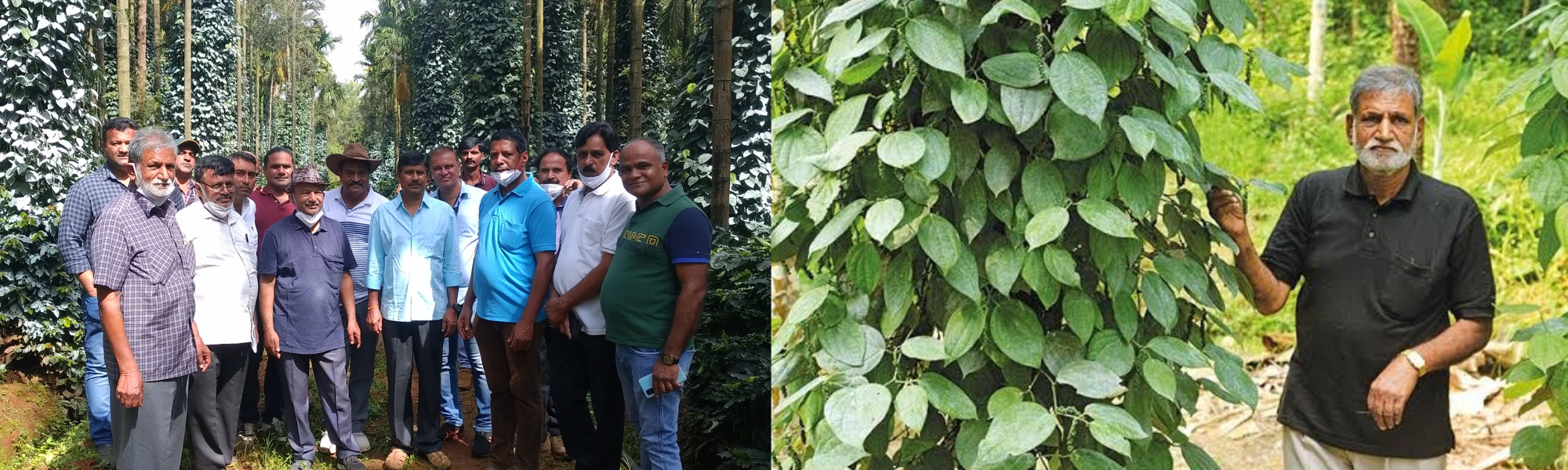
Cultivating Change: Join the Movement Towards Sustainable Spice Production
As we have explored, the spice industry is undergoing transformative changes, embracing sustainability to meet both ecological and consumer demands. By supporting initiatives like the Sustainable Spice Initiative and adopting practices such as IPM and NPM, the industry is making significant strides toward reducing its environmental footprint and enhancing socio-economic benefits for farming communities. We encourage you, as consumers and advocates, to join this movement by making informed choices—opt for sustainably sourced spices, support brands committed to ethical practices, and advocate for policies that promote environmental stewardship in spice production. Together, we can cultivate a change that not only preserves the rich flavours of our favourite spices but also ensures a healthier planet and prosperous communities around the globe.
Empowering sustainable spice production starts with your choices and actions. Opt to purchase spices from companies and brands that transparently promote sustainable practices and hold certifications like Fair Trade, Organic, or Rainforest Alliance. Educate yourself and others about the impacts of pesticide use and the benefits of sustainable agriculture through social media or community outreach. Additionally, advocate for policy changes that support sustainable farming practices by participating in petitions, local government meetings, or forums. If possible, directly engage with sustainability initiatives by volunteering with organisations that work towards agricultural sustainability or donating to causes that support smallholder farmers. Every step you take contributes to a larger wave of change, enhancing the sustainability of the spice industry and ensuring it thrives for future generations.
[Invited talk presented in International Seminar on Spices, 5-7 June 2024, KAU Agricultural College, Vellayani, Thiruvananthapuram]
Additional Reading
- Conti, C. et al. (2024). Detecting ‘green shoots’ of agri-food systems transformation: a framework and insights from the spread of non-pesticide approaches in South India. Innovation and Development. https://doi.org/10.1080/2157930X.2024.2347759
- Feijao, C. et al. (2022). Development of future scenarios for sustainable pesticide use and achievement of pesticide-use and risk-reduction targets announced in the Farm to Fork and Biodiversity Strategies by 2030: final report. European Commission, Directorate General for Health and Food Safety. https://data.europa.eu/doi/10.2875/565045
- Hofmann, B. et al. (2023). Barriers to evidence use for sustainability: Insights from pesticide policy and practice. Ambio 52:425–439. https://doi.org/10.1007/s13280-022-01790-4
- Williams, B.S. (2022). Pesticides and Sustainability. Pathways to Sustainability. EBSCO Information Services Inc.

