
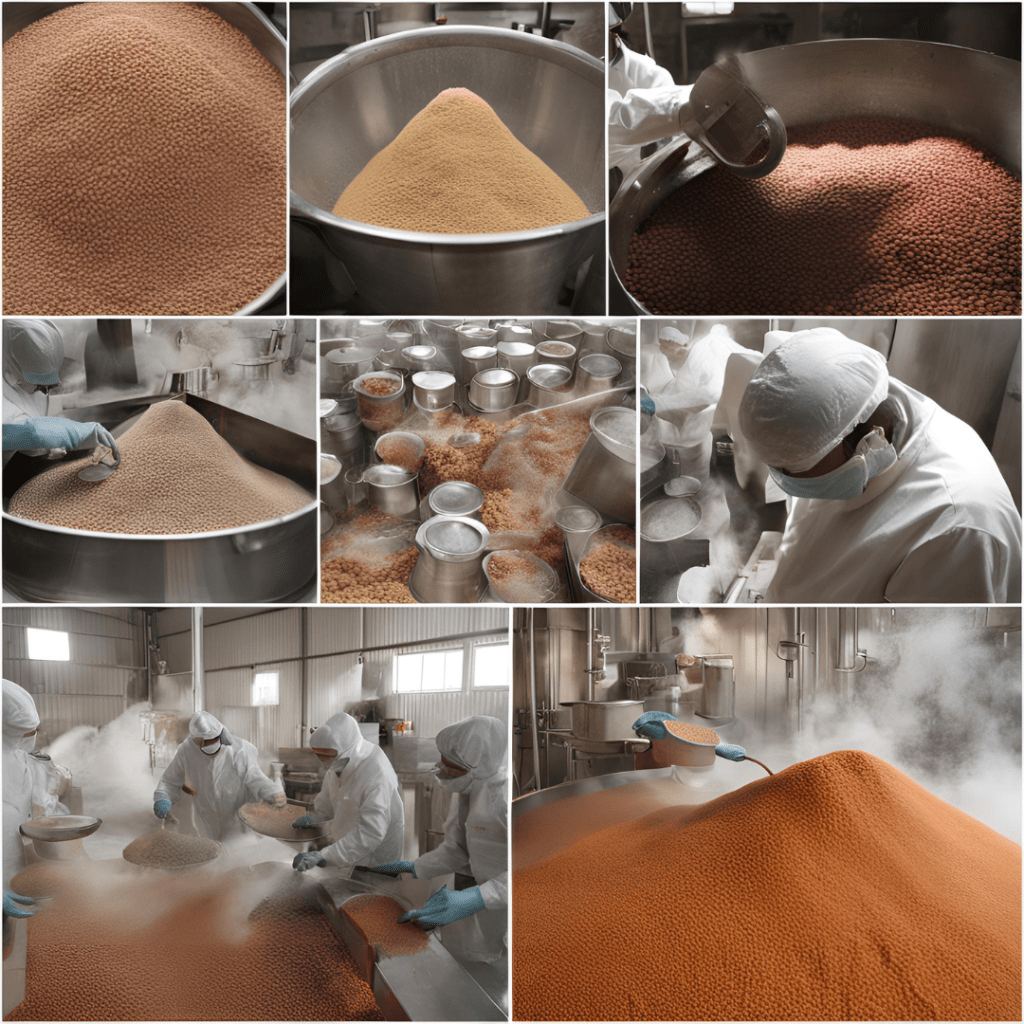
Ethylene oxide (EtO), a chemical known for its potent sterilising power, stands at the centre of a burgeoning global controversy. In the realm of spices—a cornerstone of culinary traditions worldwide—EtO plays a crucial role in ensuring products are free from harmful microorganisms. However, this chemical also carries a notorious reputation as a potential carcinogen, putting it at odds with international food safety standards. “A Double-Edged Sword: Ethylene Oxide’s Impact on Global Spice Trade” delves into this complex issue, exploring how the use of EtO not only protects but also complicates the journey of spices from fields to dinner tables across the globe.
Amidst growing regulatory scrutiny and varying international standards, the spice trade finds itself navigating a turbulent sea of trade bans, consumer safety concerns, and economic ramifications. This blog aims to dissect the intricate balance between ensuring product safety and adhering to health guidelines, highlighting the pivotal moments and key players shaping the future of spice trade under the shadow of EtO. Join us as we unravel the layers of this spicy saga, where every pinch of seasoning comes with a dash of debate.
The Ethylene Oxide Controversy
Ethylene oxide (EtO) is a small, volatile, and highly reactive molecule, characterised by its epoxide ring—a three-membered ring consisting of two carbon atoms and one oxygen atom. This chemical structure is responsible for EtO’s high reactivity, making it extremely effective for uses that require sterilisation, as it can effectively disrupt DNA and proteins in microorganisms.
However, EtO’s instability also poses significant challenges. In the environment, EtO rapidly converts into 2-chloroethanol (2-CE), a process that underscores the compound’s volatile nature. This transformation is not just a mere chemical reaction; it has profound implications for environmental safety and public health. While 2-CE retains some of the parent compound’s toxic characteristics, its formation from EtO increases the complexity of managing environmental and health risks associated with the use of EtO, especially in the food sector where residues may remain on products such as spices.
Ethylene oxide (EtO) is a chemical compound recognised for its high reactivity and efficacy in sterilisation, making it invaluable in both industrial and food sectors. Industrially, EtO is primarily used as a key ingredient in the production of solvents, detergents, adhesives, and polyurethane foam. Its potent sterilising properties also render it essential in the medical industry for sterilising surgical instruments and other items that cannot withstand conventional high-temperature steam sterilisation.
In the food industry, EtO’s role is somewhat controversial but pivotal—it is used to control microbial contamination (Salmonella and E. coli) in spices and dried food products. This use of EtO is crucial for preventing food-borne illnesses and extending shelf life of products that are often difficult to sterilise by other means.
The dichotomy between its utility and potential health risks places EtO at the centre of ongoing food safety debates. The primary concern in the food sector revolves around the residual levels of EtO in treated foods and the implications for consumer health, particularly because safe residue limits are still under scrutiny and vary significantly across different countries. This variance complicates international food trade and necessitates a careful, science-based approach to regulating EtO use to ensure public health without unnecessarily impeding global food commerce.
Health Risks Associated with EtO
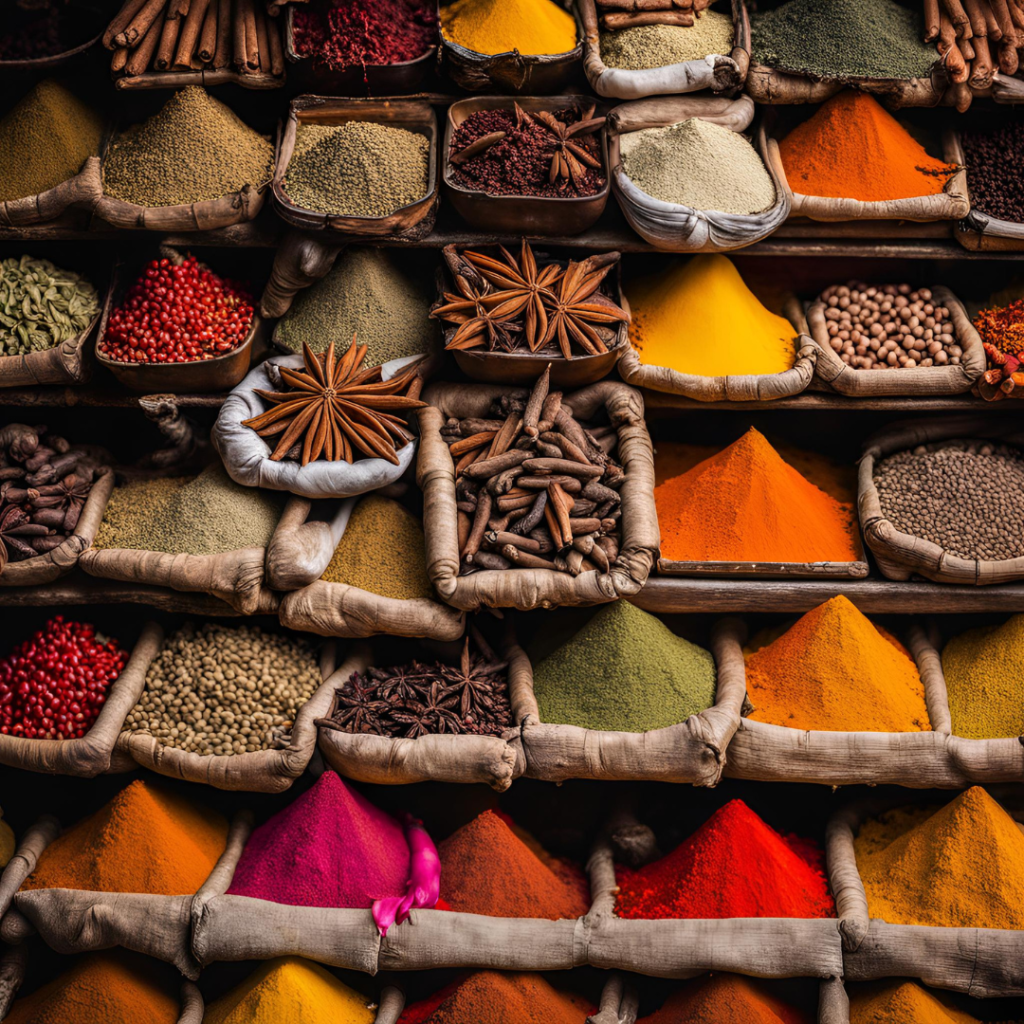
EtO presents significant health risks that have been extensively studied and debated. Classified by various health agencies as a carcinogen, EtO can alter DNA, leading to lymphoma, leukaemia, and stomach cancer with chronic exposure. Despite its effectiveness as a sterilant, the presence of EtO residues in foods, particularly spices, is a primary concern. The breakdown product of EtO, 2-chloroethanol (2-CE), retains some of the toxic characteristics of EtO. These risks necessitate a careful, science-based approach to regulating EtO use to ensure public health without unnecessarily impeding global food commerce.
There is ongoing scientific debate regarding what constitutes a safe level of EtO in food products. This debate centres around the difficulty of detecting low levels of EtO and the varying sensitivity of individuals to carcinogenic substances. Some researchers argue for a precautionary approach, advocating for as low as reasonably achievable levels due to the carcinogenic nature of EtO. Others point to the lack of direct evidence linking current levels of dietary EtO exposure to cancer, suggesting that existing regulations based on current scientific evidence are adequate for protecting public health.
Global Regulatory Landscape
The regulation of EtO varies significantly across the globe, reflecting diverse approaches to food safety and risk assessment. In the European Union, strict limits are imposed on EtO residues in foods, with maximum residue levels (MRLs) set as low as 0.05 mg/kg for certain food items to protect consumer health. In contrast, the United States has set higher MRLs for EtO, such as 7 mg/kg for spices and dried herbs and up to 50 mg/kg for walnuts, accommodating different usage practices and risk assessments. South Korea and Japan have a limit of 0.01 mg/kg while Singapore allows EtO upto 50 mg/kg in whole spices.
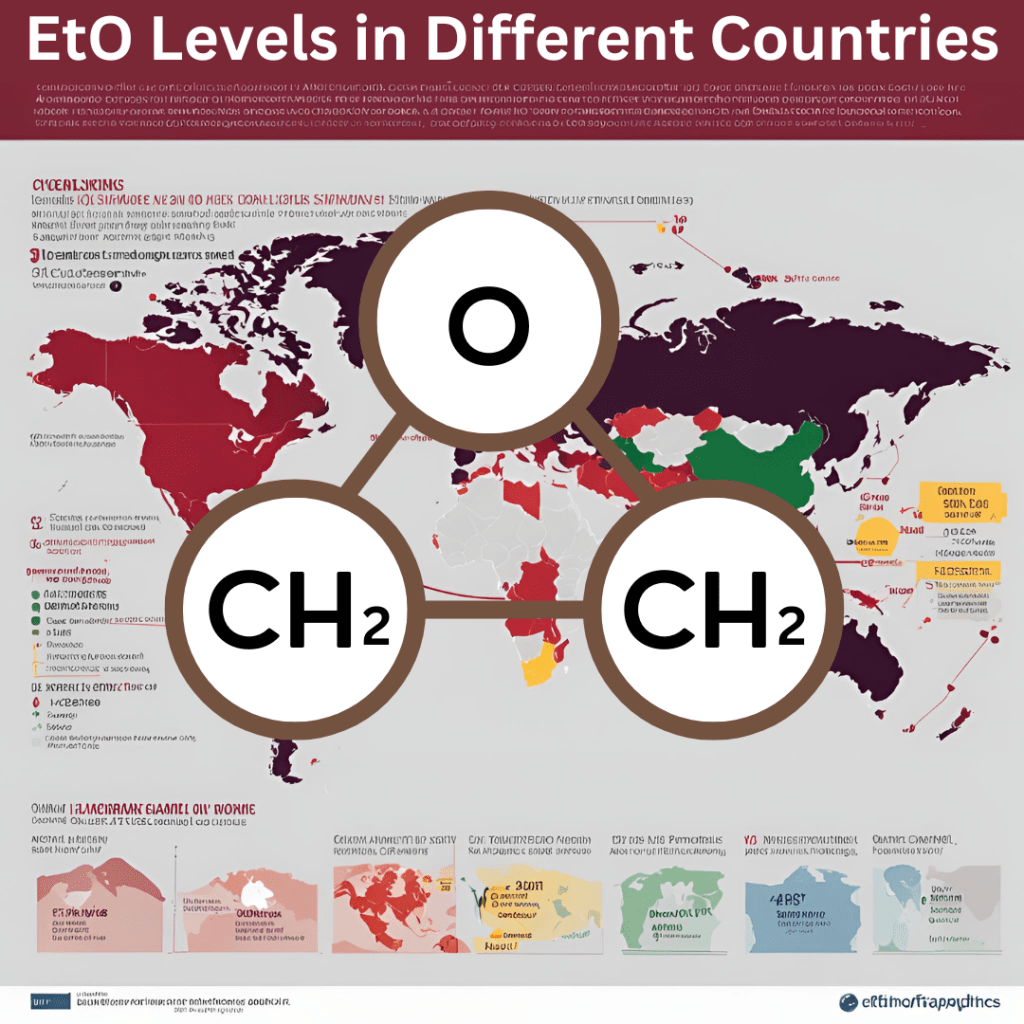
In India, no MRLs are fixed for EtO as it is not registered for any agricultural purposes. While specific regulations directly addressing EtO use in food sterilisation are not well-documented publicly, the emphasis is often on monitoring and testing for residues in exported food products. This includes spices and sesame seeds, which have faced international scrutiny and regulatory challenges, especially from European markets
A notable gap in international regulation is the absence of Codex Alimentarius standards for EtO. Codex, a key global reference point for food standards, does not currently establish MRLs for EtO, which complicates international trade by forcing exporters to navigate a patchwork of national regulations. Recently, this variance was highlighted when Singapore and Hong Kong banned certain Indian spices due to EtO contamination, leading to significant trade disruptions.
In response to these bans, the American Spice Trade Association (ASTA) has asserted that the use of EtO on spices is safe, as it is currently permitted in the United States. This statement is significant as it underscores the differing perspectives on EtO’s safety and the challenges in achieving international regulatory harmony. ASTA’s stance brings to the forefront the ongoing debate over EtO’s safety and effectiveness, suggesting a need for dialogue and potentially reevaluating international standards to bridge these regulatory gaps.
Technological and Methodological Challenges

Detecting and measuring EtO residues in food products present significant technological and methodological challenges. These challenges stem from the need to accurately measure very low levels of EtO, which is essential to comply with stringent international safety standards.
Recent advancements in testing methodologies have focused on improving the sensitivity and specificity of detection methods. Techniques such as gas chromatography-mass spectrometry (GC-MS) and gas chromatography with flame ionisation detection (GC-FID) are commonly used. Researchers are also exploring the use of headspace analysis, which is particularly suitable for volatile compounds like EtO. Yet, these technologies face their own set of challenges—variability in spice composition can mask EtO’s presence, and its volatile nature means it can easily escape detection. Navigating these challenges requires a fusion of science and innovation to keep testing methods both accurate and consistent across the globe.
As food safety regulations continue to evolve, the push for more advanced and accessible EtO detection technologies will be crucial for meeting both regulatory requirements and ensuring public health.
Economic Impact on Spice Trade
The economic narrative of EtO in the spice trade is one of adaptation and resilience. Countries like India, a behemoth in spice exports, often find themselves at a crossroads, navigating the choppy waters of international regulations that can lead to costly rejections and recalls of spice shipments. The ripple effects of these regulations can be profound, influencing everything from market access to export strategies, echoing the need for a delicate balance between safety and economic viability.
- Market access restrictions: Differing national standards for EtO residues can lead to market access restrictions. For example, the European Union’s stringent limits and outright bans on EtO-treated products can prevent entry into a lucrative market, directly impacting exporters from countries with less stringent regulations.
- Increased costs: Compliance with varying international standards can lead to increased costs for spice exporters. These include costs associated with implementing different processing methods, conducting more rigorous testing, and sometimes even establishing separate production lines for different markets.
- Trade disruptions: When large markets like the EU enforce strict regulations or bans on EtO residues, it can lead to significant trade disruptions. Exporters may need to divert their products to other markets, potentially at lower prices, impacting their profitability. Recent significant regulatory actions against certain Indian spice brands by countries like Hong Kong, Singapore and Nepal was another example of this.
Consumer Perspectives and Media Influence

Consumer awareness and media influence play pivotal roles in shaping public perceptions and regulatory policies regarding EtO in spices. Media reports on EtO-related health risks can lead to consumer apprehension and demand for stricter regulations. This section should explore how consumer advocacy influences industry practices and regulatory frameworks, and how media coverage can both inform and misinform public opinion, driving policy changes in response to safety concerns.
Future Directions in Policy and Regulation
As the global marketplace continues to expand, the need for harmonised international regulations on substances like EtO becomes increasingly crucial. Here are actionable points for international and Indian agencies regarding the use of ethylene oxide (EtO) in the spice trade:

- Codex Alimentarius
- Develop global standards: Establish specific MRLs for EtO in food products to harmonise international food safety standards.
- Create comprehensive guidelines: Provide clear guidance on the use of EtO, including best practices for its application and residue management in food processing.
- Association of Southeast Asian Nations (ASEAN)
- Regional harmonisation: Work towards harmonizing regulations on EtO use within the member states to facilitate smoother trade within the region.
- Capacity building: Offer training and technical assistance to member states to enhance their capability to detect and manage EtO residues in food products.
- World Trade Organisation (WTO)
- Trade facilitation: Address disputes related to EtO bans and restrictions that affect international trade. Ensure that such measures are scientifically justified and conform to the Agreement on the Application of Sanitary and Phytosanitary Measures (SPS Agreement).
- Promote transparency: Encourage member countries to notify and discuss any new regulations related to EtO at the WTO to avoid sudden trade barriers.
- Central Insecticides Board & Registration Committee (CIB&RC)
- Evaluate and approve safe uses: Assess and approve the safe usage of EtO, especially focusing on its application in spice sterilisation, to ensure it meets safety standards.
- Regular review of pesticide regulations: Continuously update and review pesticide regulations to keep pace with international standards and scientific evidence.
- Food Safety and Standards Authority of India (FSSAI)
- Set clear MRLs: Establish and enforce clear maximum residue limits for EtO in spices and other food products.
- Public awareness campaigns: Conduct awareness programs to educate manufacturers and the public on the risks associated with EtO and the importance of adhering to safety standards.
- Spices Board of India
- Testing and certification: Enhance testing facilities to certify spice consignments for EtO residues before export, ensuring compliance with international safety standards.
- Promote alternative sterilisation technologies: Encourage and support the adoption of alternative sterilisation techniques that do not involve EtO to mitigate health risks.
These actionable points aim to create a balanced approach that addresses both the effective use of EtO in ensuring food safety and the need to minimise its potential health risks. By actively engaging in international standard-setting and improving national regulations, these bodies can help ensure the safe use of EtO in the spice trade while maintaining market access and protecting consumer health.
Conclusion: Navigating the Complexity
The saga of EtO in the Indian spice trade encapsulates the broader challenges of balancing effective food sterilisation with consumer safety. As we’ve traversed the complex and multifaceted landscape of ethylene oxide (EtO) use in the global spice trade, it’s clear that this chemical plays a crucial but controversial role. Used widely for its sterilising properties, EtO helps ensure our spices are safe from harmful microorganisms. However, its classification as a carcinogen raises significant public health concerns, which have led to stringent regulations in various parts of the world.
The debate over EtO underscores the critical balance that must be maintained between utilising effective sterilisation methods and protecting consumer health. The divergent regulations across different countries not only complicate international spice trade but also highlight the need for a harmonised global approach. Such an approach would not only help streamline trade but also ensure that public health priorities are uniformly addressed.
As consumers, it’s essential to stay informed about how the foods we consume are processed and the substances used in these processes. Awareness and understanding are key to making informed decisions about our food. For policymakers and industry stakeholders, the ongoing dialogue about EtO invites a reevaluation of current practices and regulations, potentially steering towards safer and more universally accepted alternatives.
By continuing to discuss and research EtO, we can better understand its implications, mitigate associated risks, and ideally move towards a consensus that prioritises both health and trade. Let us engage in informed discussions, advocate for rigorous scientific research, and support policies that safeguard public health while sustaining the rich, global tapestry of spice trade that enhances our culinary experiences.
Disclaimer: The views and opinions expressed in this blog are solely my personal reflections and do not necessarily represent the views of any authoritative bodies such as the Food Safety and Standards Authority of India (FSSAI) or the Central Insecticides Board & Registration Committee (CIB&RC). This content is provided for informational purposes only and is not endorsed by any official entities.
Additional Reading
- Duncan SE, Moberg K, Amin KN, Wright M, Newkirk JJ, Ponder MA, Acuff GR, & Dickson JS. (2017). Processes to preserve spice and herb quality and sensory integrity during pathogen inactivation. J Food Sci. 82(5):1208-1215. https://doi.org/10.1111/1750-3841.13702.
- Gowda, L.R. (2024). What you need to know about Ethylene oxide. Times of India May 7, 2024. https://timesofindia.indiatimes.com/blogs/voices/what-you-need-to-know-about-ethylene-oxide/
- Kowalska, A., & Manning, L. (2022). Food safety governance and guardianship: The role of the private sector in addressing the EU ethylene oxide incident. Foods 11(2): 204. https://doi.org/10.3390/foods11020204
 Research Rundown