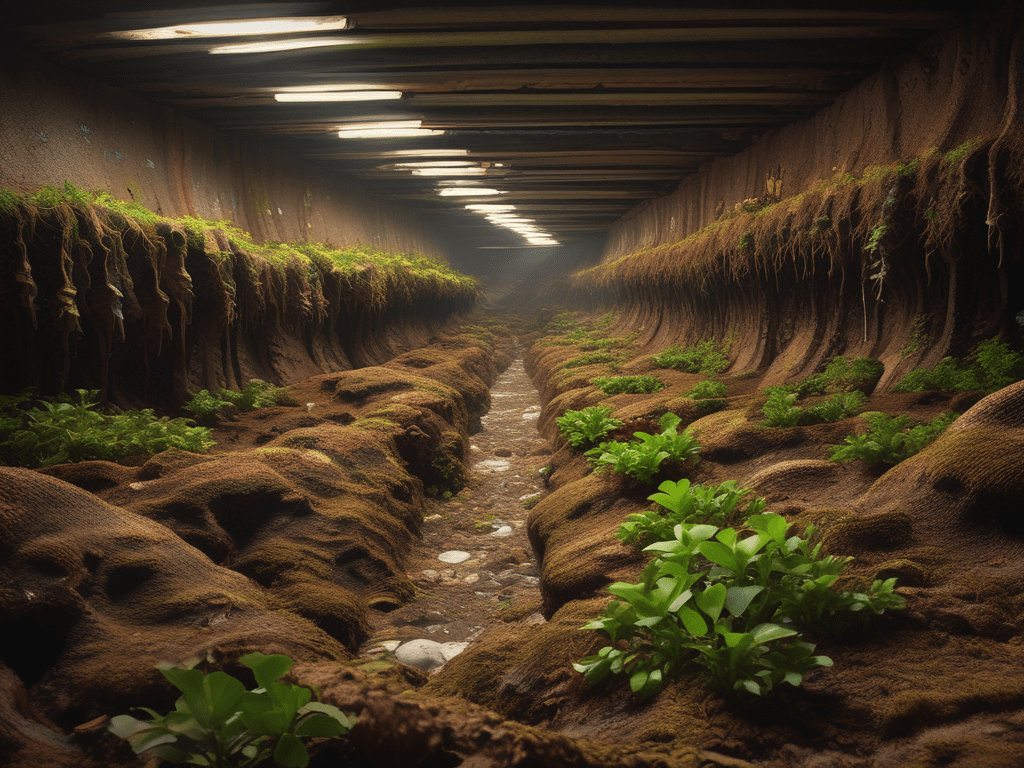
Imagine stepping into a hidden garden, not one filled with flowers and trees, but a vibrant, bustling metropolis of microscopic life, flourishing right under our feet. This is the realm of soil microbes, a diverse assembly of bacteria, fungi, protozoa, and archaea that form the backbone of our planet’s health. These tiny architects of the earth work in the shadows, crafting the foundation of our existence with every particle of soil they touch. They are the unsung heroes in the epic tale of life on Earth, tirelessly recycling nutrients, bolstering plant vitality, and leading the charge in the global battle against climate change.
Embarking on this journey into the soil microbiome is like uncovering a treasure chest of ecological wonders, revealing how these microorganisms are not merely residents of the soil but the very pulse of Earth’s ecological equilibrium. Join us as we delve into the extraordinary contributions of these minuscule beings, connecting the dots between our lives, the health of our planet, and the intricate web of life that binds us all. Together, we’ll discover the unseen world that supports us in every step we take, highlighting the critical role of soil microbes in the grand narrative of One Health and the sustainable future it promises.
The invisible world beneath us
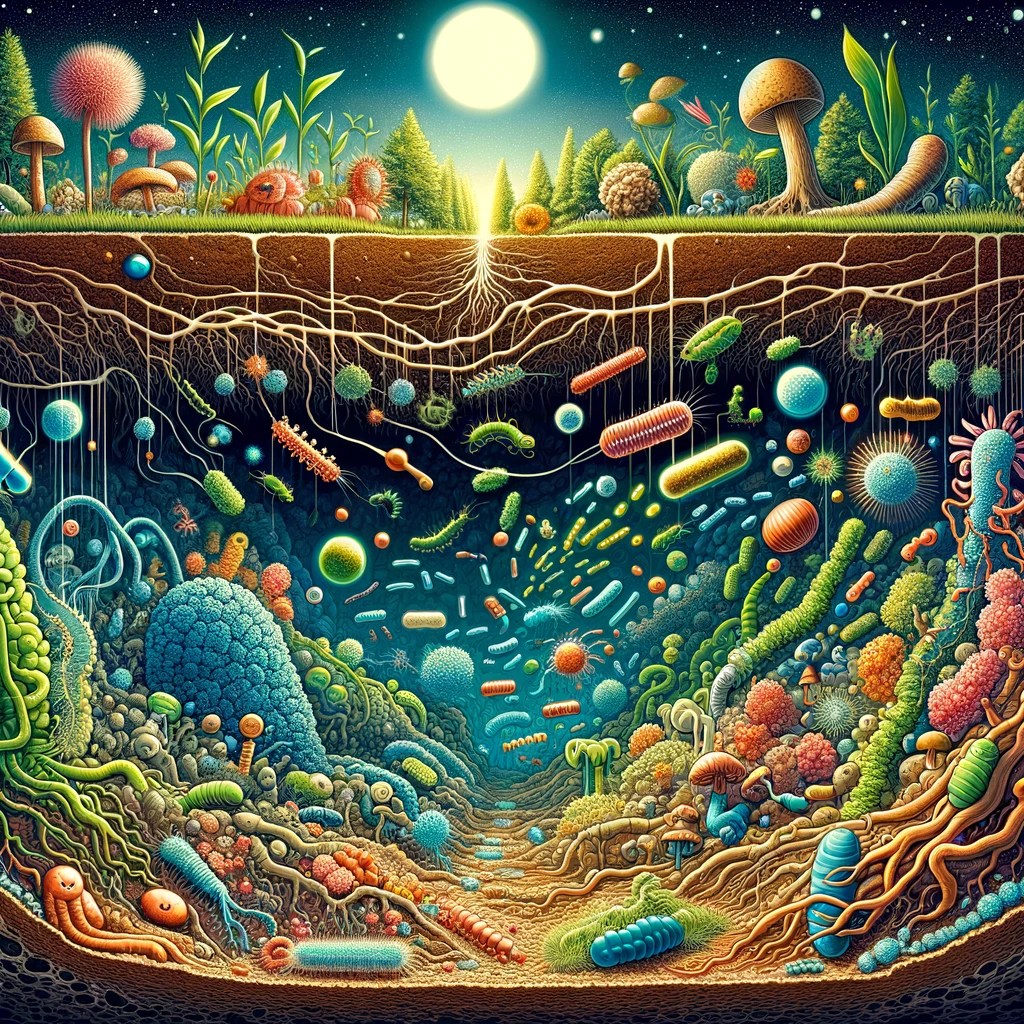
Beyond the scenic vistas that capture our admiration lies a bustling, hidden universe essential to our survival—the soil microbiome. This complex network of microorganisms acts as Earth’s life support system, decomposing organic matter, cycling crucial nutrients, and fostering robust plant growth. They serve as nature’s defense force, shielding plants from diseases, participating actively in carbon cycling, and aiding in climate change mitigation. For those unacquainted, envision soil microbes as Earth’s diligent backstage crew, ensuring the fertility of our soils and the stability of our climate, thus making life sustainable. Their endeavours highlight the intricate interconnections within ecosystems, emphasizing the urgent need to safeguard these invisible allies for the well-being of future generations.
Architects of the earth
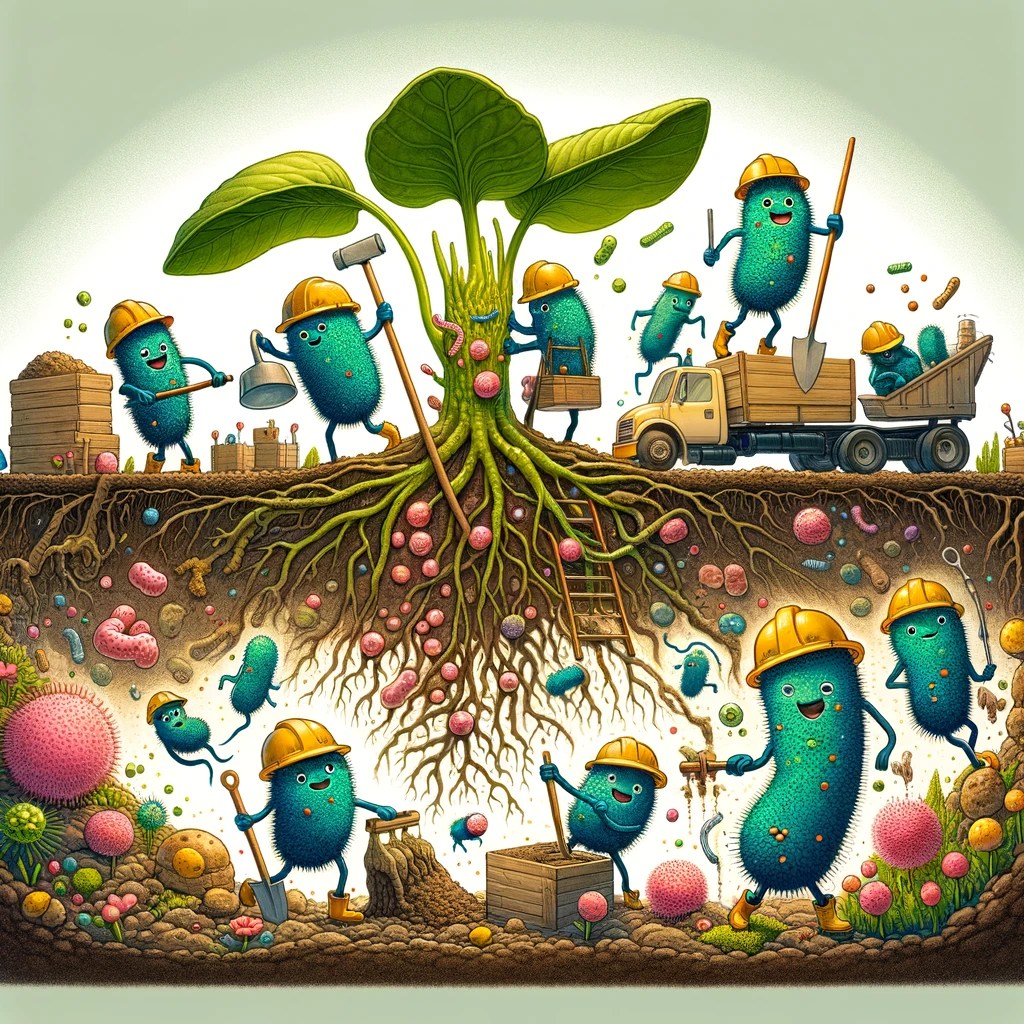
Soil microbiomes are instrumental in sculpting our environment. They break down organic matter, releasing nutrients vital for plant health and ecosystem diversity. By fixing atmospheric nitrogen and making phosphorus accessible, they fortify the soil, enabling ecosystems to thrive. Their role in carbon sequestration is pivotal in climate change mitigation, capturing carbon within the soil. Moreover, they enhance soil structure, improving water retention and filtration, and defend plants against pathogens, diminishing the reliance on chemical pesticides. These activities highlight their indispensable role in sustaining ecosystems and bolstering agricultural productivity.
Guardians of growth
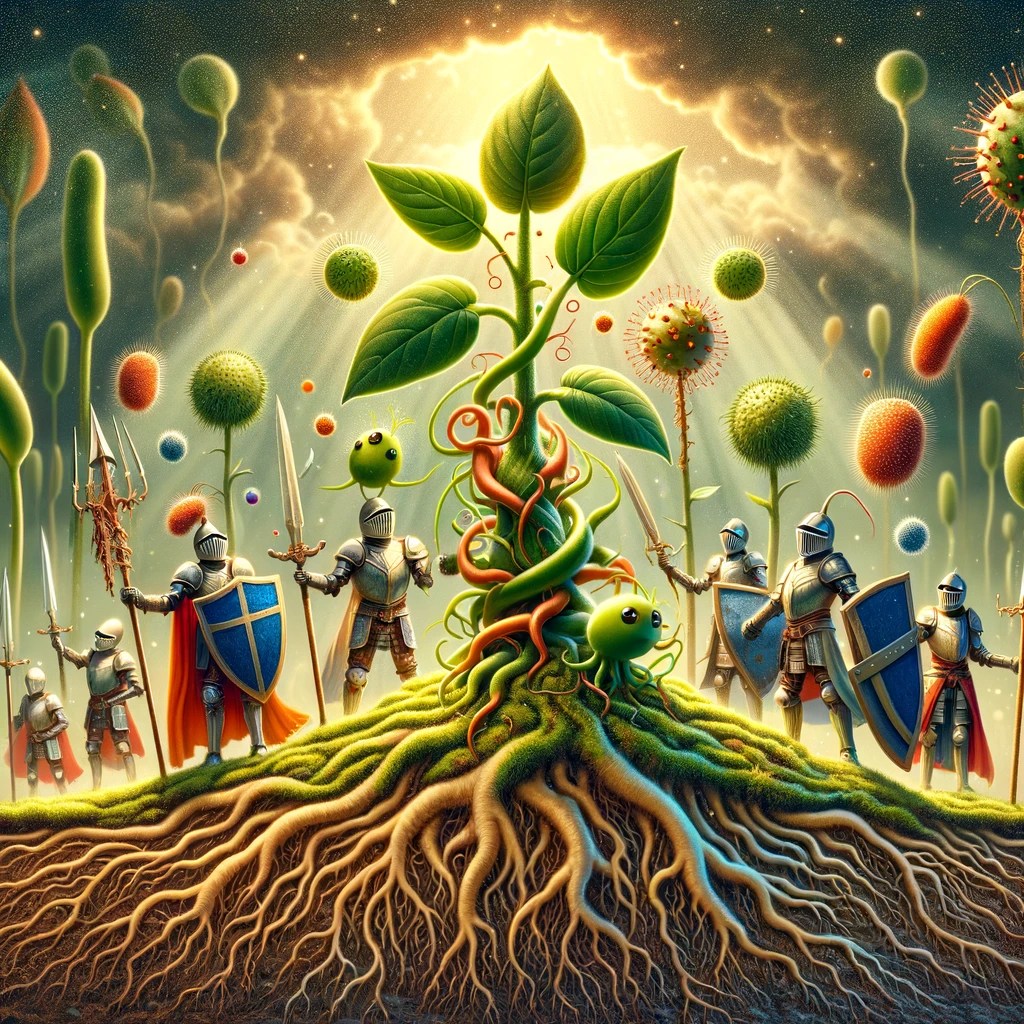
Integral to plant health and agriculture, soil microbes act as natural fertilisers and protectors. They supply essential nutrients by fixing atmospheric nitrogen and mobilising phosphorus, foster plant growth through symbiotic relationships, and safeguard plants from pathogens, minimising the need for chemicals. Their role in decomposing organic matter enhances soil structure, promoting better aeration and water retention. These microbial actions lay the foundation for sustainable farming, underscoring the importance of soil health in agricultural success and ecosystem resilience.
A shield against climate change
Soil microbes are at the forefront of the battle against climate change, chiefly through carbon sequestration. They transform organic material into stable carbon forms stored in the soil, thus reducing atmospheric carbon dioxide levels. By improving soil structure, they also boost the soil’s capacity to store carbon. This process not only combats climate change but also enhances soil fertility, benefiting both the environment and agriculture.

The One Health connection
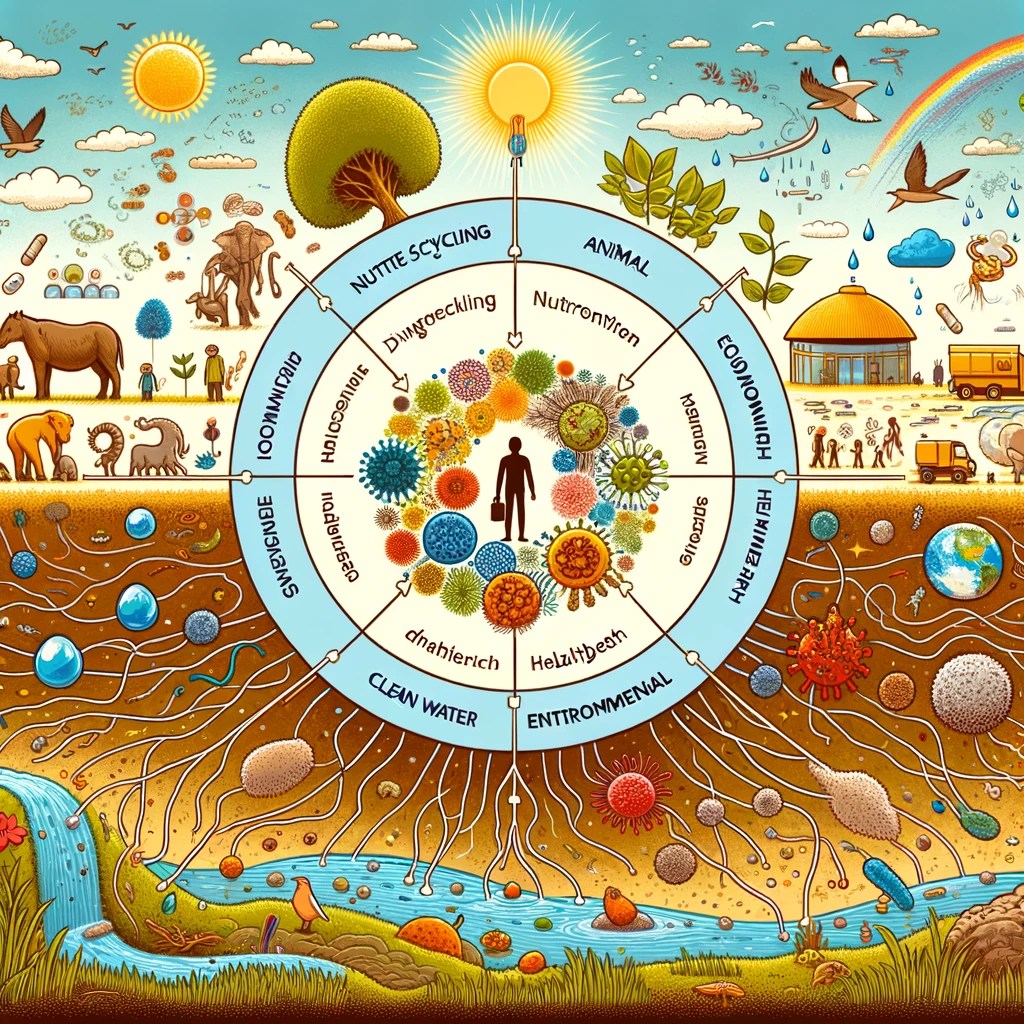
Linking soil microbes to the One Health concept underscores how soil health directly influences human and animal well-being. Healthy soil microbiomes are essential for producing nutritious crops, supporting diets, and by preserving ecosystem services like clean water and air, and by mitigating climate change, they indirectly bolster overall health. The microbial regulation of soil pathogens further illustrates the complex relationship between soil, environmental health, and the well-being of all life forms.
Challenges and future directions
The preservation of soil microbiomes is threatened by pollution, deforestation, intensive agriculture, and climate change, which disrupt these ecosystems. Embracing regenerative farming practices, minimizing chemical usage, and enhancing above and below-ground biodiversity are critical strategies for a sustainable future. Future efforts should focus on policy initiatives that advocate for soil health, research into microbial ecosystems and their resilience, and public education on the significance of soil conservation. Protecting soil microbiomes is paramount for sustaining life on Earth, fostering healthy ecosystems, and addressing climate change.
Key policy interventions
Policy changes that can conserve soil microbes, integral to the One Health approach, include:
- Promotion of Regenerative Agriculture Practices: Encourage farming techniques that enhance soil health, such as crop rotation, cover cropping, reduced tillage, and organic farming.
- Funding for Soil Microbiome Research: Allocate resources for studying soil microbiomes, their role in ecosystems, and their impacts on human and animal health.
- Incorporation of Soil Health in Environmental Protection Policies: Implement land use and conservation policies that preserve natural habitats and prevent soil degradation.
- Incentives for Soil Carbon Sequestration Practices: Provide financial incentives for practices that increase carbon storage in soil, contributing to climate change mitigation.
- Integration of Soil Health into Public Health Strategies: Recognize soil health’s impact on food security and disease prevention in public health planning and policy.
- Development of Soil Health Benchmarks: Establish and enforce soil health standards and benchmarks for agricultural and land use practices.
- Education and Awareness Programs: Increase awareness about the importance of soil microbiomes through education and outreach programs targeting farmers, policymakers, and the general public.
- Support for Sustainable Land Management: Encourage sustainable land management practices that maintain or improve soil microbial diversity and function.
- Collaboration and Partnership: Foster partnerships between government, academia, industry, and communities to share knowledge and practices that support soil microbiome conservation.
- Regulatory Measures Against Soil Pollutants: Regulate and reduce the use of harmful chemicals and pollutants that adversely affect soil microbiomes.
Conclusion
As we journey through the hidden universe beneath our feet, it becomes abundantly clear that soil microbes are not just minor characters in the story of our planet—they are vital protagonists. These microscopic organisms perform essential functions that sustain life on Earth, from recycling nutrients and enhancing plant health to combating climate change through carbon sequestration. They form the foundation of ecosystems, support agricultural productivity, and, by extension, influence human and animal health through the One Health concept. Their role is so pervasive that the health of our planet and future generations is intrinsically linked to the well-being of these unseen allies.
However, this critical balance is under threat from human activities that degrade soil health, such as pollution, deforestation, and unsustainable farming practices. The urgency to act is now, to not only acknowledge the indispensable role of soil microbes but also to take concrete steps to protect and nurture this precious resource.
Call to action: Let us, as stewards of our planet, commit to adopting practices that support soil health—whether through advocating for sustainable agricultural practices, supporting organic and regenerative farming, or simply educating ourselves and others about the importance of soil conservation. Every action counts, from reducing chemical use in our gardens to supporting policies that protect natural habitats and promote biodiversity.
We encourage you to think of soil not just as the ground beneath your feet, but as a living, breathing entity that sustains life in countless ways. By protecting soil microbiomes, we safeguard our future, ensuring a healthier planet for generations to come. Let’s turn our attention to the ground beneath us and act to preserve the life within it. The time to nurture our planet’s unseen heroes is now—our very survival may depend on it.
Additional Reading
- Banerjee, S., & van der Heijden, M. G. A. (2023). Soil microbiomes and one health. Nature Reviews Microbiology, 21(1), 6–20. https://doi.org/10.1038/s41579-022-00779-w
- Bertola, M., Ferrarini, A. & Visioli, G. (2021). Improvement of soil microbial diversity through sustainable agricultural practices and its evaluation by -Omics approaches: A perspective for the environment, food quality and human safety. Microorganisms 9(7):1400. https://doi.org/10.3390/microorganisms9071400.
- Frąc, M., Hannula, E.S., Bełka, M., Salles, J.F., Jedryczka, M. (2022).Soil mycobiome in sustainable agriculture. Front Microbiol. 13:1033824. https://doi.org/10.3389/fmicb.2022.1033824.
- Fierer, N. (2017). Embracing the unknown: Disentangling the complexities of the soil microbiome. Nature Reviews Microbiology, 15(10), 579-590. https://doi.org/10.1038/nrmicro.2017.87
- Singh, B. K., Yan, Z.-Z., Whittaker, M., Vargas, R., & Abdelfattah, A. (2023). Soil microbiomes must be explicitly included in One Health policy. Nature Microbiology, 8, 1367–1372. https://doi.org/10.1038/s41564-023-01386-y
 Research Rundown