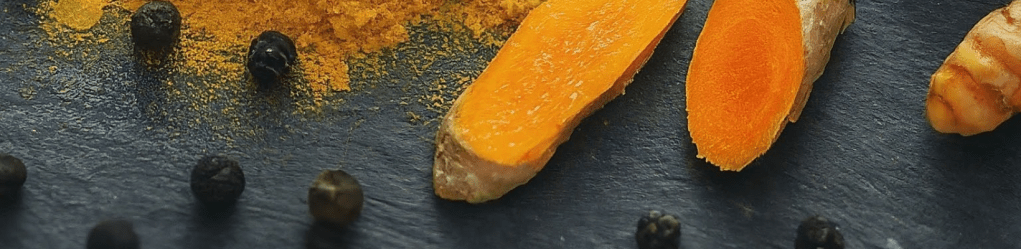
For centuries, turmeric has been revered in various cultures not just as a culinary staple but as a symbol of purity, prosperity, and healing. Rooted deeply in the traditions of Ayurveda and ancient medicine, this vibrant spice has coloured rituals and remedies with its golden hue, promising health and vitality. Fast-forward to today, and turmeric has transcended its traditional boundaries, making a grand entry into the beauty and skincare industry.
As we witness a global resurgence in natural and holistic wellness, turmeric has emerged as a star ingredient, celebrated for its potent properties and the promise of a natural, youthful glow. Its recent popularity in skincare is a testament to its enduring legacy and the modern world’s desire to reconnect with nature’s wisdom. Join us as we explore the journey of turmeric from ancient rituals to modern beauty shelves, unveiling the secrets behind its enduring allure and transformative power.
Understanding Turmeric
Turmeric is a coloured spice native to the Indian subcontinent and Southeast Asia. It’s derived from the rhizomes (root stalks) of the plant Curcuma longa, belonging to the ginger family. For thousands of years, it has been a staple in culinary, medicinal, and even ceremonial practices, particularly in Ayurvedic and Chinese medicine. The spice is renowned for its warm, bitter taste and a vibrant colour that adds not just flavour but a visual allure to the dishes it graces.
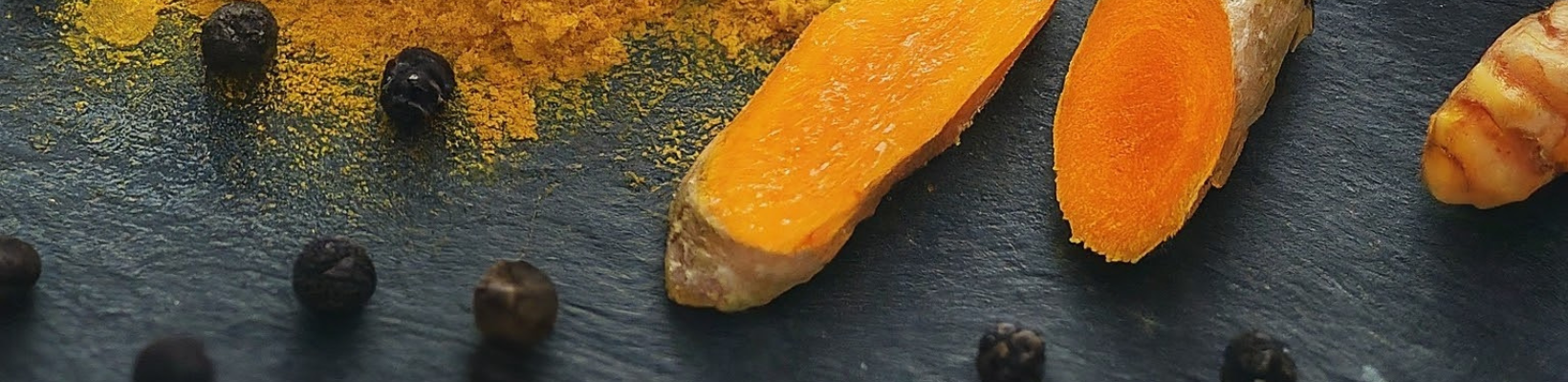
The heart of turmeric’s healing power lies in its primary active component, curcumin. This potent compound is what gives turmeric its characteristic yellow colour and a bulk of its medicinal properties. Curcumin is a polyphenol, a type of natural compound that’s rich in antioxidants and has powerful anti-inflammatory properties. However, it’s worth noting that curcumin is not readily absorbed into the bloodstream on its own. Its bioavailability can be significantly enhanced with the addition of black pepper, which contains piperine, a natural substance that enhances the absorption of curcumin by 2000%.
The health benefits of turmeric and curcumin are vast and well-documented. Curcumin’s potent anti-inflammatory properties can help fight inflammation at the molecular level. Curcumin is a powerful antioxidant that can neutralize free radicals due to its chemical structure. Curcumin can increase the levels of Brain-Derived Neurotrophic Factor (BDNF), a growth hormone that functions in your brain. It can improve the function of the endothelium, the lining of your blood vessels, which is essential for heart health. Given its potent anti-inflammatory properties, curcumin is beneficial in managing arthritis. Some research suggests that curcumin can boost the brain neurotransmitters serotonin and dopamine, helping to alleviate symptoms of depression and anxiety.
Turmeric, with its golden glow and myriad of health benefits, is more than just a spice. It’s a testament to nature’s ability to offer healing and wellness. As we delve deeper into its uses in skincare and beauty, it’s these potent properties of turmeric and curcumin that we aim to harness for a youthful, radiant glow.
The Science of Skin Aging
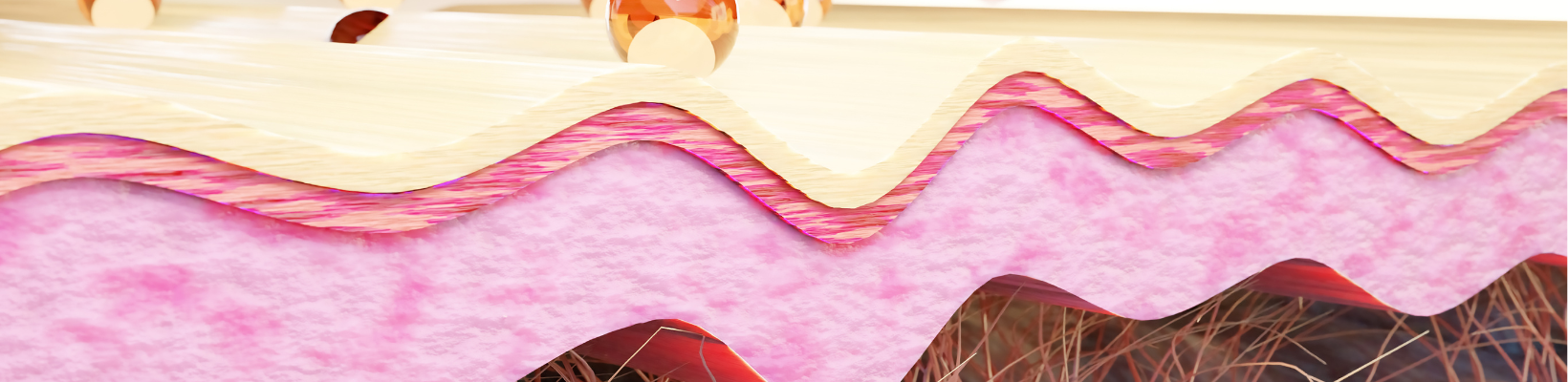
Aging is a natural biological process where our skin, the most visible organ, shows signs like wrinkles, loss of elasticity, and uneven pigmentation. This occurs due to both intrinsic aging, which is genetically determined, and extrinsic aging, influenced by environmental factors and lifestyle choices. As we age, crucial skin components like collagen, elastin, and glycosaminoglycans diminish, affecting the skin’s structure and appearance. Factors accelerating skin aging are:
- Photodamage (Sun exposure): UV rays from the sun can break down collagen and promote free radicals, leading to wrinkles, roughness, and pigmentation changes.
- Collagen degradation: The body’s ability to produce collagen decreases with age, and external factors like UV exposure can degrade existing collagen, resulting in thinner skin and wrinkles.
- Lifestyle factors: Smoking, excessive alcohol, poor nutrition, and lack of sleep can all accelerate skin aging by affecting collagen and skin hydration.
- Environmental stressors: Pollution and other stressors generate free radicals, causing oxidative stress and earlier onset of aging signs.
By understanding these factors and adopting protective measures, we can influence how our skin ages. The following sections will discuss how turmeric can contribute to maintaining skin’s youthful vitality.
Turmeric and Skin Health: The Golden Connection
Turmeric, primarily through its active compound curcumin, is celebrated for its potent antioxidant capacity. It combats free radicals – unstable molecules from environmental stressors like UV rays and pollution, which lead to premature aging. Curcumin not only neutralises these free radicals but also boosts the body’s own antioxidant defences, preserving skin integrity, elasticity, and preventing wrinkles for a youthful, radiant complexion.
Its anti-inflammatory properties further aid in reducing chronic inflammation, a contributor to aging and skin disorders like psoriasis and eczema. This helps soothe the skin, reduce redness, and maintain a healthy complexion. Additionally, curcumin’s ability to mitigate sun-induced inflammation protects against photoaging.
Turmeric’s antimicrobial qualities also make it beneficial for acne-prone skin by reducing bacteria and inflammation, promoting a clearer complexion. These properties, combined with its wound-healing abilities, contribute to a healthier skin environment.
In essence, turmeric is a multifaceted ally for skin health, offering protection against environmental damage, soothing inflammation, and maintaining clear skin. As we explore its incorporation into dermocosmetics, you’ll learn how to harness these benefits for healthier, more vibrant skin.
Turmeric’s Role in Dermocosmetics
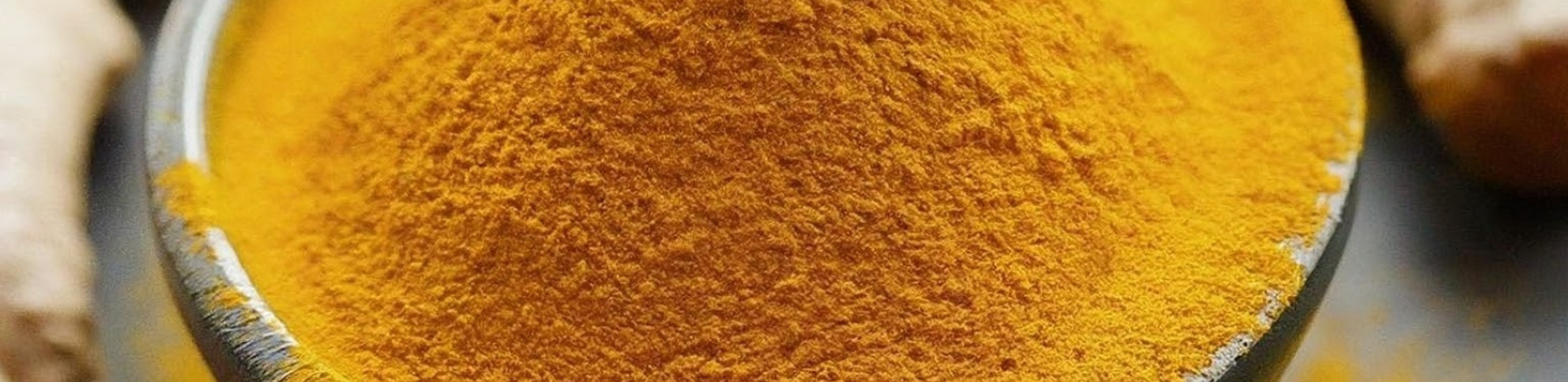
In the natural beauty movement, turmeric’s curcumin has become a key player in dermocosmetic formulations. Despite its low natural bioavailability, advanced technologies like microemulsions, nanoparticles, and liposomal systems have been developed to enhance curcumin’s stability, absorption, and skin penetration. Additionally, it’s often paired with absorption boosters like piperine and complementary ingredients to amplify its effects.
Combatting aging and acne: Curcumin’s antioxidant and anti-inflammatory properties make it a prime choice for anti-aging products. It protects skin structure by neutralising free radicals and reducing inflammation, thus preserving collagen and elastin to minimise wrinkles and fine lines. It also targets age spots and hyperpigmentation for a smoother, more even complexion.
For acne-prone skin, curcumin’s antimicrobial and anti-inflammatory qualities reduce bacteria and inflammation, helping to prevent and diminish breakouts. Its wound-healing properties also aid in post-acne recovery, ensuring clearer, smoother skin.
The future of curcumin in skincare: Ongoing research continues to reveal curcumin’s extensive benefits, solidifying its future in dermocosmetics. As consumer demand for natural and effective ingredients grows, curcumin is poised to become a staple in skincare, with applications ranging from anti-aging to acne treatment. The next section will guide you on maximising curcumin’s benefits in your skincare routine, offering a natural solution for various skin concerns.
Maximising Benefits: Enhancing Curcumin Absorption
While curcumin is a powerhouse of therapeutic benefits, one of its significant challenges is its poor bioavailability when applied topically or ingested. This means that a minimal amount of curcumin actually penetrates the skin or is absorbed into the bloodstream to exert its effects. The reasons behind this include its low water solubility, rapid metabolism, and quick systemic elimination. For curcumin to be effective in skincare, it must overcome these barriers to reach the deeper layers of the skin and remain there long enough to deliver its benefits.
Solutions in cosmetic formulations: The beauty and scientific communities have been working together to develop innovative solutions to enhance the bioavailability of curcumin in skincare products. Here are some of the most effective methods:
- Nanotechnology: One of the most promising approaches is the use of nanocarriers. These tiny particles can encapsulate curcumin, protecting it from degradation and enhancing its penetration into the skin. Nano-formulations like liposomes, niosomes, and solid lipid nanoparticles are being used to increase the stability and efficacy of curcumin in dermocosmetic products.
- Combining with enhancers: Certain substances can enhance the absorption of curcumin. For instance, piperine, found in black pepper, can inhibit the metabolic breakdown of curcumin, increasing its bioavailability significantly. Similarly, combining curcumin with fatty acids or phospholipids can help in better integration into the skin’s lipid layers, enhancing absorption.
- Microemulsions and gels: These are systems that can increase the solubility of curcumin. Microemulsions are clear, stable, isotropic liquid mixtures that can solubilise lipophilic substances like curcumin, enhancing its skin penetration. Gels, on the other hand, provide a matrix that can hold curcumin and release it slowly over time, allowing for better absorption.
- pH adjustments: The skin’s natural pH is slightly acidic, and adjusting the pH of curcumin formulations to match this can enhance its stability and absorption. Formulators often adjust the pH of their products to ensure that curcumin remains stable and effective upon application.
- Encapsulation in biopolymers: Encapsulating curcumin in natural biopolymers like chitosan or alginate can protect it from degradation and enhance its delivery to the skin. These biopolymers can form films or particles that encapsulate curcumin, releasing it slowly and increasing its time of contact with the skin.
Despite improved absorption methods, consistent application is crucial. The benefits of curcumin build up over time, requiring regular use as part of a skincare routine. With ongoing research and advancements, the potential for more effective curcumin delivery is promising. By choosing products with these innovative formulations, you can maximise curcumin’s benefits and achieve healthier, more radiant skin.

Precautions and Considerations
While turmeric is a natural and generally safe ingredient, it’s important to approach its use in skincare with awareness and caution. Here are some key precautions and considerations to keep in mind:
Potential side effects and allergic reactions: Turmeric is known for its potent properties, which, while beneficial, can also lead to side effects or allergic reactions in some individuals. Common side effects might include:
- Skin irritation: Some people might experience redness, itching, or a mild burning sensation after applying turmeric topically. This could be due to a reaction to the spice itself or other ingredients in a homemade mixture.
- Staining: Turmeric is a powerful dye and can temporarily stain the skin and permanently stain fabrics. While the skin staining is usually not harmful and fades away, it’s something to consider, especially if you have lighter skin or are using it before an important event.
- Dryness: For some, turmeric can be drying. If you have dry or sensitive skin, you might need to follow up with a heavier moisturiser or reduce the frequency of turmeric applications.
The importance of patch testing: Before incorporating turmeric or any new ingredient into your skincare routine, it’s crucial to perform a patch test. Apply a small amount of the product or mixture to a discreet area of skin, such as the inside of your wrist or elbow. Wait 24-48 hours to see if there’s any adverse reaction. If you experience severe itching, redness, swelling, or other discomfort, wash the area immediately and avoid using the product on a larger skin area.
Consultation with a dermatologist: If you have pre-existing skin conditions, sensitivities, or are using other topical or oral medications, it’s wise to consult with a dermatologist before adding turmeric to your skincare routine. They can provide personalised advice and ensure that turmeric won’t interact negatively with your skin or any medications you’re taking.
Special considerations for sensitive skin: Individuals with sensitive skin should be particularly cautious. Start with milder formulations and lower concentrations of turmeric. Monitor your skin’s response closely and discontinue use at any sign of irritation.
Be mindful of sun sensitivity: Some ingredients in skincare products can make your skin more sensitive to the sun. While turmeric itself isn’t known to cause photosensitivity, it’s always a good idea to apply sunscreen as part of your daily routine, especially if you’re using products that exfoliate or have active ingredients.
Incorporating turmeric into your skincare routine can offer numerous benefits, but it’s essential to proceed with caution and awareness. Just because something is natural doesn’t guarantee it’s safe for everyone. Always listen to your body, and don’t hesitate to seek professional advice if you’re unsure about how a product or ingredient will interact with your skin. By taking these precautions, you can enjoy the golden glow of turmeric while keeping your skin healthy and happy.

Conclusion: Embracing the Golden Glow
As we’ve journeyed through the vibrant world of turmeric, it’s clear that this ancient spice is much more than just a kitchen staple. From its historical roots as a symbol of purity and healing to its modern-day renaissance in the beauty and skincare industry, turmeric has proven itself to be a versatile and beneficial ingredient. With its potent antioxidant, anti-inflammatory, and antimicrobial properties, turmeric offers a natural, holistic approach to skincare that aligns with the growing desire for clean, effective beauty solutions.
We’ve explored how the active component, curcumin, is making waves in dermocosmetics, with innovative formulations enhancing its bioavailability and efficacy. We’ve delved into the science of skin aging and how turmeric can combat the signs of time, providing a more youthful, radiant complexion. We’ve also discussed the importance of understanding your skin’s needs and the precautions necessary to ensure a safe and positive experience with turmeric-based skincare.
As you consider integrating turmeric into your skincare routine, remember the golden rules: patch test new products, be mindful of potential staining, and consult with a dermatologist if you have existing skin conditions or sensitivities.
The path to a natural, healthy glow is within reach, and turmeric might just be the key you’ve been searching for. Embrace the golden glow of turmeric and let your natural beauty shine through.
Additional Reading
- Gopinath H, Karthikeyan K. 2018. Turmeric: A condiment, cosmetic and cure. Indian J Dermatol Venereol Leprol. 84(1):16-21. https://doi.org/10.4103/ijdvl.IJDVL_1143_16
- Hegde M, Girisa S, BharathwajChetty B, Vishwa R, Kunnumakkara AB 2023. Curcumin formulations for better bioavailability: What we learned from clinical trials thus far? ACS Omega 8(12):10713-10746. https://doi.org/10.1021/acsomega.2c07326.
- Kryst J. 2023. Cosmetics containing turmeric in the light of the results of scientific research. Aesth Cosmetol Med. 12(5):169-174. https://doi.org/10.52336/acm.2023.016
 Research Rundown